
TLDR
Deep tissue massage targets deeper layers of muscle and connective tissue using controlled, precise pressure, not maximum force. Effective treatment should feel strong but tolerable, with the therapist adjusting based on your feedback throughout the session. Pain that feels sharp, unbearable, or causes you to hold your breath is a signal to speak up, not push through.
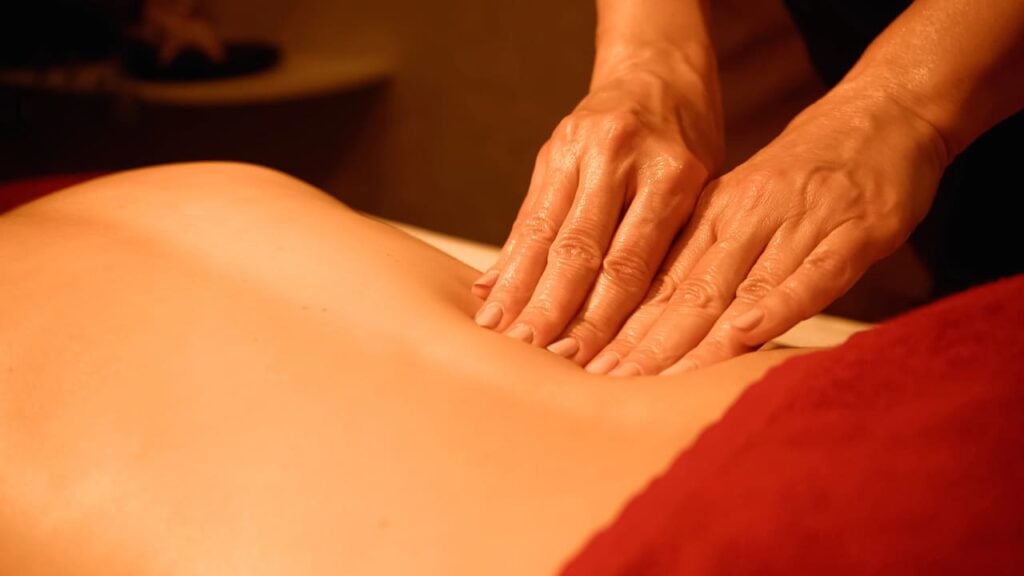
There is a widely held belief in gyms, offices, and physio waiting rooms across Woodbridge and Vaughan: if the massage does not hurt, it is not doing anything. Athletes want the pressure cranked up. People carrying years of desk tension ask therapists to go as deep as possible. Weekend warriors walk in expecting to grit their teeth and leave feeling “fixed.”
That belief is understandable. When pain has been limiting your training, your work, or your daily movement, you want something that feels like it is doing something real. The problem is that maximum pressure and effective treatment are not the same thing, and confusing the two leads to sessions that leave you sore for days without meaningful progress.
This post explains what deep tissue massage actually is, how it works, what pressure should feel like, when some discomfort is normal, and how communicating with your therapist makes the treatment work better for you.
What Does Deep Tissue Massage Actually Mean?
Deep tissue massage is a focused therapeutic approach that targets deeper layers of muscle tissue and the connective tissue surrounding it. The word “deep” describes the intent and the tissue being addressed, not the amount of brute force applied.
It differs from a general relaxation massage in its goal. A relaxation massage works broadly across the body to ease surface tension and promote calm. Deep tissue work is more precise. The therapist identifies specific areas of restriction, reduced mobility, or chronic tightness and applies targeted techniques to those areas.
People seek it for a wide range of reasons: persistent neck tension, low back tightness, shoulder stiffness from overhead training or prolonged sitting, post-workout muscle soreness, soft tissue injuries from workplace incidents, or recurring tension that keeps returning no matter how much you stretch. According to the National Center for Complementary and Integrative Health, massage therapy is one of the more commonly used approaches for musculoskeletal pain and discomfort.
The goal of deep tissue massage is improved comfort and movement. It is not a test of how much pressure you can withstand.
How Does Deep Tissue Massage Actually Work?
The therapist begins by identifying where tension, restricted movement, or sensitivity exists. From there, they apply specific techniques gradually, layering pressure as the tissue responds rather than forcing through resistance from the start.
Common Techniques Used
Deep tissue work typically involves slow, deliberate strokes that move along the length of a muscle, sustained pressure held at a specific point of restriction, and focused work around tight bands of tissue sometimes called trigger points or adhesions. The approach is precise. A trained therapist is not applying random force across the whole body; they are working a particular area with a specific purpose.
Research published through the National Institutes of Health indicates that massage therapy applied to soft tissue restrictions has been associated with short-term reductions in pain and improvements in range of motion. That evidence points to technique and targeting, not pressure volume, as the relevant factor.
Why Assessment Matters
Where you feel pain is not always the only area that needs attention. Tightness in the hip can contribute to low back discomfort. Tension in the upper back feeds into neck pain. A thorough assessment helps the therapist understand the full picture before deciding where and how to work. Our Massage Therapy approach at Full Function Rehabilitation and Wellness incorporates that kind of assessment from the start, so treatment addresses your actual restrictions, not just the most obvious complaint.
Is Deep Tissue Massage Supposed to Hurt?
Deep tissue massage should not feel sharp, unbearable, or like something is being forced past resistance. It often feels intense, and some areas will be more sensitive than others, but there is a meaningful difference between productive discomfort and pain that signals a problem.
What Productive Discomfort Feels Like
Strong, tolerable pressure that eases as the tissue responds is the hallmark of effective deep tissue work. Many people describe it as a “good” soreness, pressure that feels like it is reaching something real without making them flinch or tense up. The National University of Health Sciences describes this as the therapist working with the body’s natural response rather than overriding it.
Warning Signs That Pressure Is Too High
If any of the following are happening, the pressure should be reduced:
- Sharp or shooting pain at the point of contact
- Numbness or tingling during the session
- Holding your breath to get through it
- Muscles tensing or guarding against the pressure
- Feeling worse as the session continues rather than better
Your feedback is not an interruption. It is part of how the therapist delivers effective care. Speak up early rather than waiting to see if it improves on its own.
What Are the Right Deep Tissue Massage Pressure Levels for You?
Pressure is not one-size-fits-all, and the right level depends on the person, the area being treated, injury history, current sensitivity, and the goal of the session.
| Patient Type | Pressure Consideration |
| Young or competitive athlete | Tolerance is often higher, but overloading a freshly trained muscle adds unnecessary soreness |
| Desk worker or office professional | Chronic postural tension responds to sustained, moderate pressure rather than aggressive force |
| Older adult | Tissue sensitivity and recovery time may require lighter, more graduated pressure |
| Post-injury or post-surgical | Pressure should be conservative near affected areas and guided by current healing stage |
A useful working scale: think of 0 as no sensation and 10 as intolerable. Most effective deep tissue sessions work in a range where pressure feels strong and purposeful, perhaps a 5 to 7 on that scale, not at the upper limit. Pressure at the high end of tolerance does not produce proportionally better outcomes. It often causes protective muscle guarding, which works directly against the goal of freeing up restricted tissue.
Pressure also shifts during a session. As tissue warms and sensitivity decreases, the therapist may be able to work more deeply in certain areas. That progression happens in response to how your body is responding, not on a preset schedule.
How Does Patient Feedback Shape the Session?
Communication during a deep tissue massage session is not a complaint or a sign of low pain tolerance. It is clinical information that directly improves your treatment.
Useful phrases to use with your therapist include:
- “That feels sharp, can you ease off slightly?”
- “That pressure feels about right for this area.”
- “That spot seems to be where most of the restriction is.”
- “I am feeling some tingling, is that normal here?”
A therapist adjusts based on this input, checks in on tissue response, and reassesses throughout. That feedback loop is how treatment stays targeted and safe.
Before the session starts, share anything relevant: recent injury, nerve symptoms, bruising tendency, medications, pregnancy, surgery history, or any medical conditions. This context shapes the entire treatment approach. When you actively guide the pressure and communicate your goals, you get meaningfully more from the session than if you stay silent and endure.
What Should You Expect After Deep Tissue Massage?
Temporary tenderness in the treated areas is common in the 24 to 48 hours following a session. Some people notice warmth in the tissue or a sense of looseness in areas that felt restricted before. These responses are generally normal.
Severe pain, significant bruising, or symptoms that worsen rather than settle should be reported to your therapist or healthcare provider and assessed properly.
Supporting Recovery After Treatment
To get more from the session, hydrate, move gently rather than resting completely, and avoid immediately overloading the areas that were treated. Returning to heavy training or sitting motionless for hours right after treatment does not give the tissue time to respond to the work.
Deep tissue massage for pain relief tends to produce the clearest results when it is part of a broader plan. That might include mobility work, targeted strengthening, posture modifications, sport-specific rehabilitation, or ergonomic changes for workplace injuries. The massage addresses the restriction; the complementary work helps the body hold onto the progress.
Key Takeaways
- Deep tissue massage targets deeper muscle layers and connective tissue using controlled, specific techniques, not maximum pressure across the body.
- Effective pressure should feel strong and tolerable; sharp pain, numbness, tingling, or involuntary muscle guarding are signs to reduce pressure immediately.
- Communicating during the session gives the therapist the information needed to adjust technique, target the right areas, and keep treatment productive.
- Pressure needs vary based on age, injury history, the area being treated, and the session goal; what works for one person or one area will not be appropriate for every situation.
- Post-session tenderness for 24 to 48 hours is common; severe pain or worsening symptoms should be assessed by a healthcare provider.
- Deep tissue massage tends to be most effective when combined with active recovery steps such as mobility work, strengthening, or posture changes rather than used in isolation.
Ready to Move More Comfortably?
If recurring muscle tightness, post-injury stiffness, or persistent tension is limiting your training, your work, or your daily movement, that is not something to wait out. Pain that gets ignored has a tendency to become the new normal, and you deserve better than that.
At Full Function Rehabilitation and Wellness in Woodbridge, Vaughan, our registered massage therapists take a personalized approach. Pressure is calibrated to your needs. Treatment is guided by your feedback. And the goal is always accelerated recovery, enhanced mobility, and reduced pain, without relying on maximum discomfort to get there.
Schedule your deep tissue massage appointment today and take an active step toward moving the way you want to move.
Frequently Asked Questions
Is deep tissue massage supposed to hurt?
It should not feel sharp, unbearable, or force you to hold your breath. Some intensity is normal, particularly in restricted areas, but pressure should remain tolerable throughout. A good therapist will adjust based on your feedback so the session stays effective without crossing into pain that causes the body to guard and tense.
What are the main deep tissue massage benefits?
Deep tissue massage has been associated with short-term reductions in muscle stiffness, improvements in ease of movement, and relief from localized discomfort. These outcomes are typically most meaningful when massage is combined with an appropriate rehabilitation or movement plan rather than used as a standalone treatment.
How much pressure should I ask for during deep tissue massage?
Ask for pressure that feels purposeful and strong without being sharp or forcing you to brace against it. Using a simple scale where 0 is no sensation and 10 is intolerable, most effective therapeutic sessions work somewhere in the middle range. If you notice yourself tensing up, holding your breath, or feeling sharp pain, tell your therapist to reduce the pressure.