TLDR
Safe pessary removal is a personalized skill taught by a pelvic floor physiotherapist during a clinical assessment, not a universal technique found in a general guide. The process depends on your pessary type, anatomy, pelvic floor tone, and instructions from your prescribing provider. Knowing when to clean a pessary, how to position your body, and which red flags require prompt follow-up are all part of a complete pessary self-care plan.
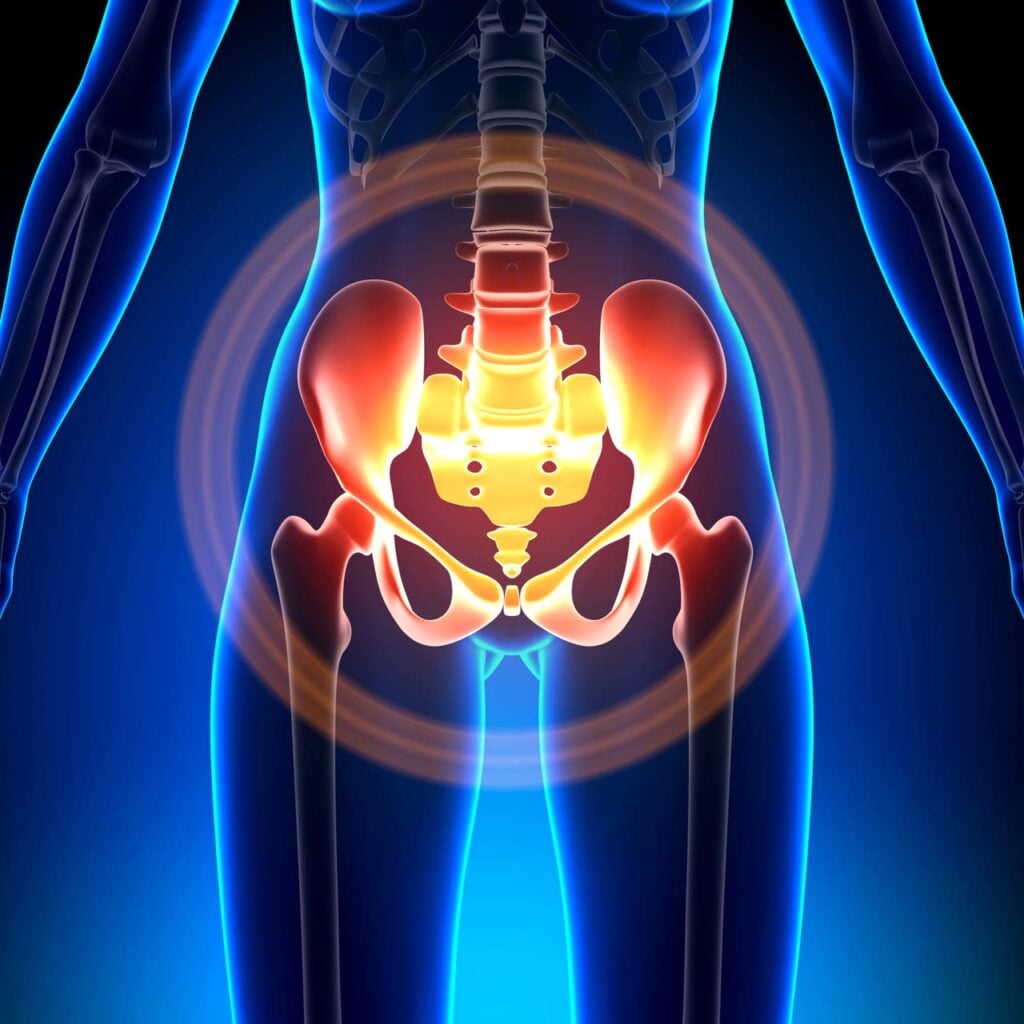
A pessary is a removable device inserted into the vagina to support pelvic organs affected by prolapse or to help manage bladder leakage. For many people, it offers real, meaningful relief. But the question “how to remove a pessary” often comes with uncertainty, and that uncertainty is worth taking seriously.
This blog is not a step-by-step self-removal manual. It is an explanation of how trained pelvic floor physiotherapists teach pessary removal technique as part of a structured pelvic floor assessment, covering anatomical awareness, personalized technique, cleaning timing, and the red flags that require prompt clinical follow-up.
Many people search “how to remove a pessary” looking for quick answers. The more complete question is: how do I remove a pessary safely, based on my pessary type, my body, my symptoms, and my provider’s instructions? That is exactly what a pelvic floor physiotherapist is trained to help you work through.
Is Self-Removal Right for You?
Not every pessary user is advised to remove and reinsert the device independently, and a pelvic floor physiotherapist will assess whether self-care is appropriate before teaching any technique.
Before coaching removal, a physiotherapist will typically review several factors:
- The type and fit of your pessary
- Your current comfort and confidence level
- Hand mobility and grip strength
- Pelvic floor muscle tone and tension
- Prolapse symptoms and their severity
- Vaginal tissue health
- Your medical history and any relevant conditions
- Instructions from your prescribing physician, nurse practitioner, or urogynecologist
Some pessaries, such as ring pessaries, are generally easier to self-manage. Others, like Gellhorn pessaries, are more often managed through scheduled clinic visits. Published clinical guidelines on vaginal pessary use note that individualized follow-up plans are essential, and that the level of self-care appropriate for each person depends on multiple clinical and practical factors.
Physiotherapists work within their scope of practice and training. When fit concerns, tissue changes, or medical complexity arise, they coordinate with the prescribing provider to make sure your care remains safe and well-supported.
What Anatomy Awareness Does Your Physiotherapist Teach Before Removal?
Safe pessary removal depends on understanding where the pessary sits and how your anatomy affects access. A physiotherapist will walk you through the relevant structures in plain language before any technique is introduced.
During a consent-based pelvic floor assessment, your physiotherapist will help you understand the vaginal canal, how the pelvic floor muscles surround and support it, where the cervix sits relative to the pessary, and how prolapse positioning affects what you can feel and reach. Physiopedia’s overview of pelvic floor physiotherapy assessment describes how internal and external assessment informs individualized treatment planning, including patient education on anatomy and self-care.
One concept that comes up consistently is pelvic floor tension. When people feel nervous about removal, they often grip, hold their breath, or rush through the process. All of these responses increase pelvic floor tension, which makes removal harder and potentially uncomfortable. Your physiotherapist will teach you how to soften the pelvic floor using breathing, positioning, and focused relaxation before and during removal.
The goal is not simply to get the pessary out. It is to build body awareness and reduce the anxiety that surrounds self-care, so that managing your pessary becomes a routine part of your day rather than a source of stress.
How Is Pessary Removal Technique Personalized for Your Body?
A physiotherapist teaches pessary removal using models, diagrams, mirrors, verbal cues, and hands-on coaching adapted to your specific situation. There is no single correct technique because pessary type, anatomy, and individual factors all shape what works safely for you.
Key principles that a physiotherapist will typically address include:
- Washing hands thoroughly before removal
- Finding a comfortable, supported position such as squatting, sitting on a toilet, or standing with one foot raised
- Using relaxed, controlled breathing to release pelvic floor tension
- Applying gentle, steady pressure rather than pulling or forcing
- Stopping immediately if sharp pain, strong resistance, or bleeding occurs
Technique also varies by pessary type:
| Pessary Type | General Self-Care Notes |
| Ring pessary | Often easier to self-manage; removal involves hooking a finger through the ring and gently pulling |
| Dish pessary | Similar in approach to ring; provider guidance on removal angle is important |
| Gellhorn pessary | More complex shape; often managed at clinic visits rather than at home |
| Cube pessary | Held in place by suction; requires specific release technique and more frequent removal |
Technique adaptations are also important for people managing arthritis, limited hip mobility, pelvic pain, anxiety, or difficulty with reach. Your physiotherapist will problem-solve these barriers directly rather than offering a generic approach. The safest pessary removal technique is the one reviewed and taught for your anatomy, your pessary type, and your specific symptoms.
When Should You Clean a Pessary?
Cleaning schedules are individualized. There is no universal rule for when to clean a pessary because the right timing depends on pessary type, vaginal tissue health, discharge patterns, comfort, and the guidance of your prescribing provider.
Some people learn to remove and clean their pessary at home on a regular schedule, while others attend scheduled clinic appointments where a healthcare provider performs removal, cleaning, and a tissue check. Clinical guidelines on pessary use indicate that cube pessaries, for example, typically require more frequent removal due to their suction-based fit, while ring pessaries worn comfortably may be cleaned on a less frequent schedule.
Practical steps to build into your self-care routine include:
- Asking your provider for a written cleaning schedule specific to your pessary type
- Tracking removal and cleaning dates so you do not lose track
- Noting any changes in discharge, odour, or comfort between appointments
- Attending follow-up appointments even when things feel fine, since tissue health benefits from regular checks
Missing cleaning or follow-up appointments increases the risk of tissue irritation, pressure changes, and infection. Knowing when to clean a pessary is part of a complete pessary self-care instruction plan, not an optional detail.
What Are the Red Flags That Require Prompt Follow-Up?
Pessary removal red flags are a core part of what physiotherapists teach because safe self-care includes knowing when to stop and seek clinical support.
Contact your clinic or healthcare provider promptly if you notice any of the following:
- Pain that does not settle during or after attempted removal
- Bleeding, even minor spotting
- Foul odour or unusual vaginal discharge
- Fever or general feeling of illness
- New pelvic or abdominal pain
- Difficulty urinating or a change in bladder symptoms
- A pessary that feels stuck, displaced, or impossible to locate
- Pressure sores or significant tissue discomfort
- Sudden worsening of prolapse symptoms
If any of these signs appear, stop attempting removal. Do not force the process. The Mayo Clinic’s guidance on uterine prolapse treatment reinforces that pessary fit and tissue health require ongoing clinical monitoring, particularly when symptoms change.
If symptoms feel severe or urgent, contact a healthcare provider or seek urgent medical care rather than waiting for a routine appointment. Early follow-up protects tissue health, reduces the risk of complications, and keeps you in control of your care.
How Does Physiotherapy Support Your Movement, Work, and Daily Life?
Physiotherapy support extends well beyond the mechanics of removal. For active adults, workers, and people who want to stay mobile, pelvic floor care is connected to how you move, lift, breathe, and participate in daily life.
A follow-up physiotherapy plan addressing pessary use often includes:
- Pelvic floor coordination exercises to support pessary function
- Strategies for managing intra-abdominal pressure during lifting, exercise, or physical work
- Guidance on constipation and bowel habits, which affect pelvic floor load
- Breathing mechanics and breath coordination
- Gradual return-to-exercise planning for those who are physically active
- Symptom monitoring to identify early changes in fit or tissue health
- Referral back to the prescribing provider if fit concerns or tissue changes appear
Staying active and returning to the work and activities you value is a realistic goal. Pelvic floor physiotherapy at Full Function Rehabilitation and Wellness in Woodbridge is designed to support your comfort, mobility, and confidence across all of these areas. Outcomes are individual, but many people who receive structured physiotherapy support report improved confidence in their self-care routines and clearer communication with their healthcare team.
Key Takeaways
- Safe pessary removal is a personalized skill; the technique that is appropriate for you depends on your pessary type, anatomy, pelvic floor tone, and provider instructions.
- Not every pessary user is advised to self-remove; a pelvic floor physiotherapist assesses your suitability before teaching any technique.
- Pelvic floor tension, caused by breath-holding, anxiety, or rushing, makes removal harder; learning to relax the pelvic floor is a core part of the training.
- Cleaning schedules are individualized; cube pessaries typically require more frequent removal than ring pessaries, and your provider should give you a specific plan.
- Red flags including pain, bleeding, unusual discharge, fever, difficulty urinating, or a stuck pessary require prompt clinical attention, not continued home attempts.
- Pelvic floor physiotherapy supports more than removal; it addresses movement, pressure management, and return to activity as part of a complete care plan.
Reclaim Confidence in Your Pelvic Health
If you have been prescribed a pessary and feel uncertain about removal, cleaning timing, or warning signs, a pelvic floor physiotherapy assessment gives you a space to ask questions, understand your anatomy, and build a safer self-care plan grounded in your specific situation.
At Full Function Rehabilitation and Wellness in Woodbridge, Vaughan, our team provides personalized, consent-based pelvic floor care designed to support your comfort, mobility, and independence. Book an assessment and take an informed next step in your pelvic health journey.
Frequently Asked Questions
Can I learn how to remove a pessary at home?
Some people are taught self-removal, but whether it is appropriate for you depends on pessary type, fit, symptoms, hand mobility, and your provider’s instructions. A pelvic floor physiotherapist can assess your situation and teach a safer, personalized technique if self-care is appropriate.
How often should I clean my pessary?
Cleaning timing varies based on pessary type, tissue health, discharge, and your prescribing provider’s plan. Cube pessaries generally require more frequent removal than ring or dish pessaries. Ask your healthcare provider or pelvic floor physiotherapist for a schedule that is specific to you rather than relying on a general rule.
What should I do if pessary removal hurts or I notice bleeding?
Stop attempting removal immediately and contact your clinic or healthcare provider. Pain, bleeding, unusual discharge, foul odour, fever, difficulty urinating, or a pessary that feels stuck or impossible to reach should all be assessed promptly. If the situation feels urgent, seek medical attention rather than waiting for a scheduled appointment.