
Balance is a crucial aspect of daily life that allows individuals to move confidently and safely. For those experiencing challenges in this area, physiotherapy offers targeted strategies to enhance balance and coordination. In this blog, we will explore how physiotherapy can aid in balance improvement, the causes of balance issues, effective exercises, and more. Understanding these elements can empower individuals to seek appropriate support and make informed decisions about their health.
How Does Physiotherapy Help Improve Balance and Coordination?
Physiotherapy plays a vital role in enhancing balance and coordination by assessing individual needs and implementing personalized strategies. Techniques such as strength training, proprioceptive exercises, and vestibular rehabilitation are commonly used to address balance issues. These methods aim to improve muscle strength, joint stability, and spatial awareness.
| Strength Training | Strengthening exercises target the muscles that support balance. By focusing on the core, legs, and hips, individuals can achieve better stability and control. |
| Proprioceptive Exercises | These exercises enhance the body’s ability to sense its position in space, improving coordination and balance. Standing on one leg or using balance boards are common techniques. |
| Vestibular Rehabilitation | This approach addresses inner ear problems that affect balance. It involves specific head and eye movements to retrain the brain’s response to balance signals. |
| Gait Training | Improving walking patterns can significantly enhance balance. Physiotherapists use various techniques to correct gait abnormalities and promote smoother, more stable movement. |
| Balance Exercises | Simple activities like heel-to-toe walking or standing on one leg can boost balance and coordination. These exercises are often incorporated into daily routines. |
| Postural Training | Correcting posture improves balance by aligning the body’s center of gravity. Exercises that enhance postural awareness can lead to better stability. |
In summary, physiotherapy addresses balance and coordination through tailored exercises and techniques that strengthen key areas, enhance sensory feedback, and improve movement patterns.
What Are the Main Causes of Poor Balance That Physiotherapy Can Address?
Multiple factors can contribute to poor balance, and physiotherapy can address many of these issues effectively. Causes include muscle weakness, vestibular disorders, neurological conditions, and aging-related changes. By tailoring a treatment plan to the underlying cause, physiotherapy can significantly enhance an individual’s balance.
- Muscle Weakness: Weak muscles, particularly in the lower body, can lead to instability. Strengthening exercises are effective in building muscle strength and support.
- Vestibular Disorders: Issues with the inner ear can disrupt balance. Vestibular rehabilitation techniques help retrain the brain to process balance signals correctly.
- Neurological Conditions: Conditions like Parkinson’s disease or multiple sclerosis can affect balance. Physiotherapy provides specific exercises to improve coordination and reduce fall risk.
- Aging: Natural aging processes can cause balance issues due to muscle loss and joint stiffness. Regular physiotherapy can mitigate these effects by maintaining muscle mass and joint flexibility.
- Vision Problems: Impaired vision affects the ability to maintain balance. Physiotherapists can work with individuals to improve balance through exercises that enhance other sensory inputs.
- Medications: Some medications may have side effects that impact balance. Physiotherapists can adapt exercises to compensate for these effects.
In brief, understanding the root cause of balance issues allows physiotherapists to create effective, personalized treatment plans that enhance stability and coordination.
Which Physiotherapy Exercises Are Most Effective for Enhancing Balance?
There are several physiotherapy exercises that are particularly effective in enhancing balance. These exercises target various aspects of balance, such as muscle strength, proprioception, and coordination, to provide comprehensive improvement.
- Single-Leg Stands: Standing on one leg challenges balance and strengthens supporting muscles. It can be progressed by closing the eyes or using an unstable surface.
- Tandem Walking: Walking heel-to-toe in a straight line enhances balance by narrowing the base of support and requiring greater control.
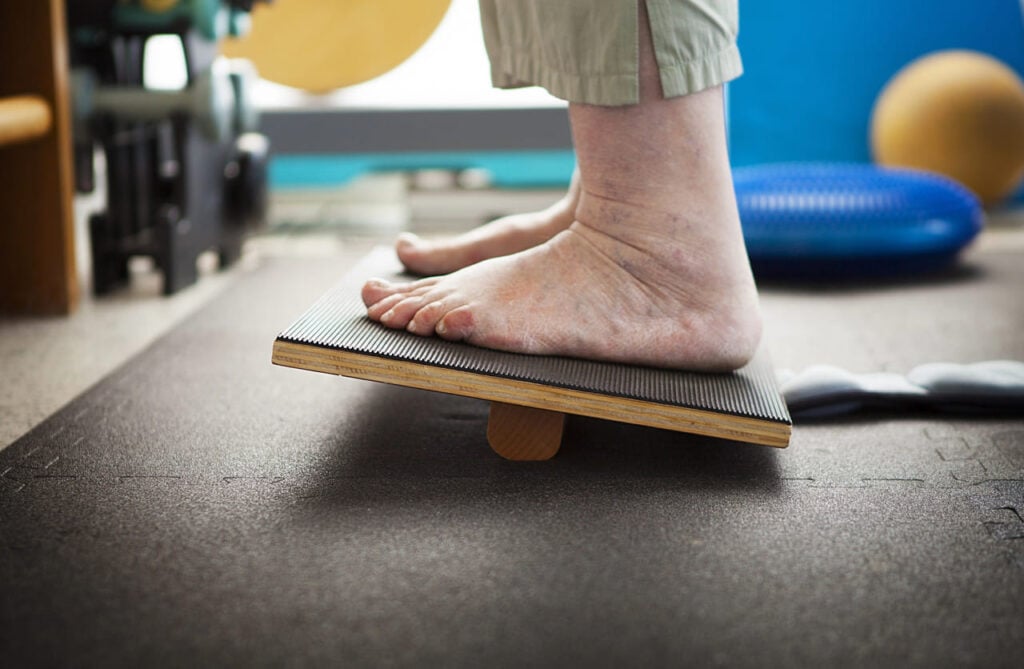
- Balance Board Exercises: Using a balance board improves proprioception and core stability. It challenges the body to maintain equilibrium on an unstable surface.
- Tai Chi Movements: This form of exercise emphasizes slow, controlled movements that enhance balance and coordination. It is particularly beneficial for older adults.
- Step-Ups: Stepping up and down on a platform strengthens the legs and improves dynamic balance. It mimics everyday activities like climbing stairs.
- Heel Raises: Standing on the toes strengthens the calves and improves ankle stability. This exercise is simple yet effective in enhancing balance.
Overall, incorporating these exercises into a regular routine can lead to significant improvements in balance and coordination, tailored to individual needs and abilities.
How Long Does It Take to Notice Balance Improvements with Physiotherapy?
The timeframe for noticing balance improvements through physiotherapy varies, depending on factors like the underlying cause, individual health status, and commitment to the exercise program. Generally, individuals may start experiencing noticeable improvements within a few weeks to a few months of consistent physiotherapy sessions. Factors such as the severity of the balance issue, frequency of therapy sessions, and adherence to prescribed exercises at home play a significant role in determining the timeline.
During the initial phase of physiotherapy, individuals may focus on building strength and proprioception, which can lead to gradual enhancements in stability. As therapy progresses, individuals may notice improvements in their ability to perform daily activities with more confidence and less risk of falls. The physiotherapist will continually assess progress and adjust the treatment plan to ensure ongoing improvement.
Bottom line, while the timeline for balance improvement can vary, consistent physiotherapy often leads to meaningful enhancements in balance and coordination within a few weeks to months.
What Equipment or Tools Are Used in Balance Training During Physiotherapy?
In physiotherapy, various equipment and tools are utilized to enhance balance training. Balance boards, stability balls, resistance bands, and foam rollers are commonly used to challenge and improve balance and coordination.
| Balance Boards | These boards create an unstable surface that challenges the body’s equilibrium, enhancing proprioception and core strength. |
| Stability Balls | Used for exercises that improve core strength, stability balls also promote balance by requiring control over larger movements. |
| Resistance Bands | These bands add resistance to exercises, strengthening muscles that support balance. They are versatile and can be used in various exercises. |
| Foam Rollers | Foam rollers are used for balance exercises and to improve flexibility. They help in enhancing stability when used on different body parts. |
| Parallel Bars | Often used in rehabilitation settings, parallel bars provide support for individuals to practice balance exercises safely. |
| Wobble Cushions | These inflatable cushions create an unstable surface, challenging the body to maintain balance and improve coordination. |
In summary, the use of these tools in physiotherapy enhances balance training by providing varied and adaptable challenges suited to individual needs.
Can Physiotherapy Help Prevent Falls in Older Adults?
Physiotherapy can significantly help prevent falls in older adults by improving balance, strength, and coordination. By focusing on exercises that enhance these areas, physiotherapy reduces the risk of falls and promotes safer mobility. Targeted interventions such as strength training, gait analysis, and balance exercises are particularly effective for older adults.
Strengthening exercises for the legs, core, and hips are crucial in supporting balance and stability. Gait analysis helps identify walking patterns that may contribute to falls, allowing for corrective measures to be implemented. Balance exercises, tailored to the individual’s capabilities, enhance control and confidence in movement. Additionally, physiotherapists provide education on fall prevention strategies and home safety modifications.
In brief, through targeted exercises and education, physiotherapy offers valuable tools for older adults to maintain independence and reduce the risk of falls.
What Lifestyle Changes Help Improve Balance and Coordination?
Improving balance and coordination involves several lifestyle changes that complement physiotherapy interventions. Regular exercise, proper nutrition, adequate hydration, and stress management are essential components of a balanced lifestyle that supports stability and coordination.
- Regular Exercise: Engaging in activities such as walking, yoga, or tai chi improves balance and coordination by enhancing strength and flexibility.
- Proper Nutrition: A balanced diet supports muscle function and overall health. Nutrients like calcium and vitamin D are vital for bone health, contributing to better stability.
- Adequate Hydration: Staying hydrated is crucial for maintaining cognitive and physical function, which directly impacts balance.
- Stress Management: Stress can affect balance and coordination. Techniques such as mindfulness or meditation can help manage stress levels effectively.
- Sleep Quality: Ensuring adequate rest is vital for cognitive function and coordination. Poor sleep can impair balance and increase the risk of falls.
- Alcohol Consumption: Limiting alcohol intake can prevent impairments in balance and coordination, reducing fall risk.
Overall, incorporating these lifestyle changes can significantly enhance balance and coordination, supporting overall health and reducing the risk of falls.
Find Your Footing Again
Improving balance through physiotherapy provides a pathway to enhanced mobility and confidence. By understanding the causes of balance issues and incorporating targeted exercises, individuals can achieve meaningful improvements in stability and coordination.
If you are seeking personalized support, book a session with the team at Full Function Rehab & Wellness in Woodbridge for professional guidance in enhancing your balance and overall health.
Frequently Asked Questions
Can Physiotherapy Address Balance Issues in Children?
Yes, physiotherapy can help children with balance issues by using exercises tailored to their developmental stage. Interventions focus on improving coordination, strength, and proprioception, addressing underlying factors affecting balance.
How Often Should I Perform Balance Exercises?
Frequency can vary, but performing balance exercises at least three times a week is generally recommended. Consistency is key to achieving and maintaining improvements in balance and coordination.
Are Balance Exercises Safe for Pregnant Women?
Yes, many balance exercises can be safely performed during pregnancy with appropriate modifications. Consulting a physiotherapist ensures that exercises are tailored to individual needs and safety considerations.
Can Physiotherapy Improve Balance After a Stroke?
Yes, physiotherapy is crucial in stroke recovery, focusing on regaining balance and coordination. Customized exercises help restore movement patterns and enhance stability, contributing to overall recovery.
What Should I Wear for Balance Training Sessions?
Wear comfortable clothing that allows for a full range of motion. Supportive footwear may be recommended to ensure safety and stability during exercises.