TLDR
Home physiotherapy devices like TENS units, vibration plates, and massage tools are useful for short-term pain relief and movement support, but they do not replace the active effort required to rebuild strength and function. Muscles adapt through progressive resistance and repeated active engagement, not passive stimulation. A personalized plan from a regulated physiotherapist helps you choose the right tools and use them effectively.
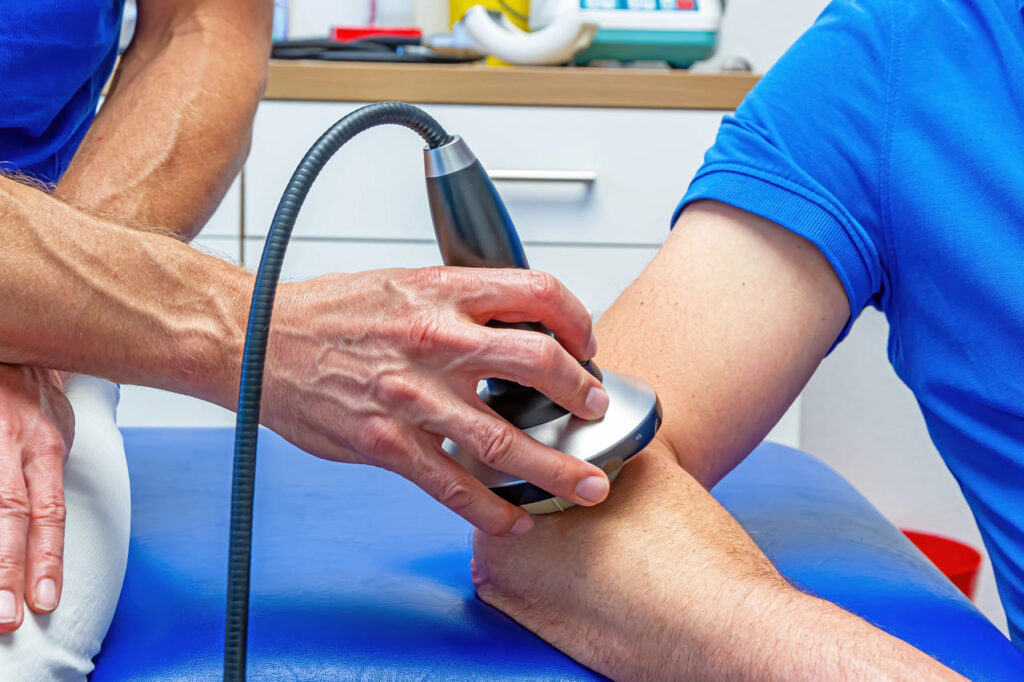
Walk into any pharmacy, scroll through any fitness retailer, and you will find row after row of devices promising recovery with minimal effort. Vibration plates that “tone muscles automatically.” Electrotherapy units that claim to “restore function while you relax.” Massage guns marketed as complete recovery solutions. The message is consistent: buy the device and let it do the work.
The problem is that this message misrepresents how the body actually heals and adapts. Pain relief and functional recovery are not the same thing, and a physiotherapy machine for home use that addresses one does not automatically deliver the other.
This post clarifies what home physiotherapy devices are genuinely useful for, where passive tools fall short, and how to build a smarter approach that puts your active effort at the center of recovery.
Do Passive Devices Actually Rebuild Strength and Function?
No. Passive devices do not rebuild strength or restore functional capacity on their own, regardless of what the marketing claims.
The appeal is understandable. When you are in pain, the idea of a machine doing the work sounds like relief. TENS units (transcutaneous electrical nerve stimulation devices, which send low-level electrical signals through the skin to interrupt pain signals), vibration plates, and massage tools all have legitimate uses. They address symptoms. They improve circulation in the short term. They reduce perceived pain long enough to make movement more accessible.
What they do not do is ask your muscles to contract under load, coordinate your movement patterns, or challenge your nervous system to adapt. Research principles in rehabilitation science are consistent on this point: strength is a product of progressive overload, meaning your muscles need to work against gradually increasing resistance to adapt and grow. Stimulation that does not require active muscular effort produces temporary effects at best.
Home physiotherapy devices for pain relief serve a real purpose. But they should support the plan, not replace it.
What Home Physiotherapy Devices Are Actually Good For
When you understand what each category of device does well, you can use it appropriately rather than expecting it to deliver results it was never designed for.
Pain-Relief Tools
TENS units, heat packs, cold therapy, and massage tools are primarily symptom managers. They reduce discomfort, decrease muscle guarding, and create a better window for movement. An electrotherapy machine for home use sits in this category. It addresses how pain signals travel, not how muscles perform. Use these tools to make your active exercise sessions more accessible, not as a substitute for them.
Exercise-Support Tools
Resistance bands, dumbbells, ankle weights, stability balls, and step platforms are the workhorses of genuine home rehabilitation. These are at-home physical therapy equipment in the truest sense. They require effort, allow for progressive loading, and translate directly into functional improvement. This is where real adaptation happens.
Mobility and Recovery Tools
Foam rollers, stretching straps, and range-of-motion aids help you prepare for movement and recover between sessions. They improve tissue flexibility and reduce stiffness, which supports the active work you do elsewhere.
Feedback and Guided Rehab Tools
Apps, motion sensors, and video-based telerehabilitation platforms help you perform exercises correctly, track progress, and stay consistent. These tools add real value because they keep you engaged and reduce the risk of compensation patterns developing during home exercise.
Why Does Strength Require Active Engagement and Progressive Resistance?
Strength requires active engagement because the body adapts to the demands placed on it, and passive stimulation does not create sufficient demand. This is not a theory; it is a physiological principle that shapes every legitimate rehabilitation program.
The key ingredients are straightforward:
- Muscle activation: Learning to engage the correct muscles, in the right sequence, before adding load.
- Load: Applying resistance appropriate to the current stage of healing, enough to create a training stimulus without exceeding tissue capacity.
- Repetition: Practicing movements enough that the nervous system learns the pattern. Neuroscience research supports the role of repetition in motor learning and neuroplasticity, particularly relevant for those recovering from injury or neurological events.
- Progression: Gradually increasing challenge so the body continues to adapt rather than plateau.
- Function: Connecting exercises to the real tasks you need to perform, whether that is climbing stairs, lifting at work, throwing in sport, or sitting through a full workday without pain.
A vibration plate produces muscle activity. But “feeling stimulation” is not the same as building capacity. A weekend athlete recovering from an ankle sprain needs to load the ankle progressively, train single-leg balance, and practice sport-specific movements. A worker recovering from a shoulder strain needs to build rotator cuff endurance and overhead tolerance. Devices that bypass active effort bypass the process of building these capacities.
How Do You Use a Physiotherapy Machine at Home Safely?
Safe use starts with clarity about what the device is for and what it is not for. Before anything else, identify whether you are using the tool for pain relief, mobility preparation, strength training support, or movement feedback. That purpose shapes how you use it.
Practical safety steps for home device use:
- Read the full instructions before use and follow the guidance of a regulated health professional over manufacturer marketing claims.
- Start with low intensity and short sessions unless a physiotherapist has advised otherwise.
- Do not use an electrotherapy machine for home use over broken or irritated skin, in areas with reduced sensation, or near implanted electrical devices such as pacemakers without clearance from a regulated health professional.
- Stop the session if symptoms worsen, become sharp, spread to new areas, or feel unusual in any way.
- For younger users, older adults, and anyone managing complex health conditions, home device use warrants appropriate supervision and professional input.
More intensity is not always better. The right dose at the right stage of recovery produces better outcomes than pushing too hard, too early. Ongoing clinical research continues to investigate optimal parameters for home-based rehabilitation interventions, reinforcing that evidence-guided, personalized approaches outperform self-directed guesswork.
How Do You Choose Tools That Match the Recovery Goal?
The decision framework is simple: match the tool to what you are actually trying to achieve, not to what the product description promises.
| Recovery Goal | Tools That Fit | What to Question |
| Short-term pain relief | TENS unit, heat or cold therapy, massage tools | Claims that pain relief equals healing or strength restoration |
| Rebuilding strength | Resistance bands, weights, bodyweight progressions | Passive devices claiming to tone or strengthen without effort |
| Balance and coordination | Stable-to-unstable surface progressions, task-specific practice | Balance boards sold as complete rehabilitation programs |
| Return to sport or work | Equipment that replicates real-world demands progressively | Any device claiming “instant recovery” or “no exercise required” |
When you see phrases like “effortless muscle toning,” “instant recovery,” or “no exercise required,” treat them as signals to look more carefully. A physiotherapy machine for recovery at home earns its place in your routine by making your active plan easier to follow consistently, not by replacing the active plan.
How Does Professional Guidance Build a Smarter Home Setup?
A physiotherapist does something no device can: they identify what is actually limiting your recovery. That might be weakness in a specific muscle group, stiffness in a joint, nerve sensitivity, a faulty movement pattern, or simply a workload that increased too quickly. Each of those requires a different response, and a generic device purchase does not address any of them with precision.
A personalized home plan developed with a physiotherapist typically includes specific exercises with clear sets, repetitions, resistance levels, and frequency; guidelines for monitoring pain during and after activity; rules for progressing the plan as capacity improves; and device recommendations where genuinely appropriate. It also sets real targets, whether that is returning to a sport, meeting the physical demands of a job, or managing daily activities with less discomfort.
For active people in Woodbridge, Vaughan, and surrounding areas who are managing workplace injuries, sports recovery, or everyday pain while navigating work schedules, school commitments, and family life, a practical home strategy matters. Recovery does not pause for a busy week. The right plan helps you stop guessing and start progressing with purpose.
Key Takeaways
- Passive home physiotherapy devices address symptoms like pain and circulation, but do not rebuild strength, coordination, or functional capacity on their own.
- Muscles adapt through progressive resistance and active effort. Stimulation that bypasses muscular work does not produce the same adaptive response as loaded, intentional exercise.
- TENS units and electrotherapy machines for home use serve a legitimate role in short-term pain modulation, but should be used alongside an active exercise program, not instead of one.
- Safe home device use requires matching the tool to the specific goal, following professional guidance over marketing claims, and stopping use if symptoms worsen or spread.
- A physiotherapist can identify the actual barriers to your recovery and build a home program with specific exercises, progression rules, and appropriate device recommendations.
- Claims like “effortless toning,” “instant recovery,” or “no exercise required” are signals to evaluate a product more carefully before purchasing.
Ready to Stop Guessing and Start Moving with Purpose?
Before you spend money on another device, get clarity on what your body actually needs. Pain, stiffness, and confusing product claims do not have to control your next step.
At Full Function Rehabilitation and Wellness, our physiotherapists work with active people across Woodbridge, Vaughan, and surrounding communities to build personalized home rehabilitation plans. We assess what is limiting your recovery, recommend tools that genuinely fit your goals, and give you a progressive exercise program you can follow with confidence.
Whether you are recovering from a sports injury, managing workplace pain, or working through an everyday physical limitation, you deserve a plan that is built around your needs, not a generic product description.
Book your physiotherapy assessment today and take an active step toward reduced pain, enhanced mobility, and a more confident return to the life and activities you value.
Frequently Asked Questions
What is the best physiotherapy machine for home use?
There is no single device that fits every person or every recovery goal. For pain relief, a TENS unit or heat and cold therapy are commonly used and appropriate for many people when used correctly. For rebuilding strength and function, resistance bands, weights, and progressive bodyweight exercises are more effective than any passive device. The right choice depends on your injury, your goals, your current pain level, and your medical history. A physiotherapist can help you decide which tools belong in your home setup.
Can a vibration plate strengthen muscles without exercise?
Not in the way progressive resistance training does. Vibration plates create some degree of muscle activity as the body stabilizes against the movement, but this is not the same as the controlled, progressive loading required to build meaningful strength and functional capacity. Genuine strength gains require active muscular effort, appropriate resistance, and gradual increases in challenge over time. Vibration plates are not a substitute for that process.
Is an electrotherapy machine for home use safe?
For many people, home electrotherapy devices are appropriate when used as directed. That said, they are not suitable for everyone. People with implanted electrical devices such as pacemakers, those with reduced sensation in the treatment area, anyone with certain medical conditions, and those managing unclear or complex symptoms should speak with a regulated health professional before using one. Starting with low settings and short sessions reduces the risk of irritating tissues, and you should stop use immediately if symptoms worsen or feel unusual.