
If you’re dealing with pain or limited mobility, you’re likely searching for relief that lasts. For many people in Woodbridge and Vaughan, that search leads to two common options: physiotherapy and massage therapy. Both are respected, hands-on treatments. Both can support recovery. But they serve different purposes.
So how do you know which one is right for you? That’s what we’ll cover here. By understanding the role of physiotherapy vs massage, you’ll be better prepared to take the next step toward reducing pain, restoring movement, and improving function.
Understanding Physiotherapy
Physiotherapy is a clinical approach focused on diagnosing, treating, and preventing physical dysfunction. At Full Function Rehab & Wellness, our physiotherapists work closely with people experiencing acute or chronic pain, injuries, or movement challenges. The goal is long-term function, not just short-term comfort.
Using detailed assessments, we identify the root cause of pain or limited range of motion. From there, we build tailored treatment plans that may include:
- Joint mobilization or manual therapy
- Corrective exercise programs
- Postural and movement education
- Rehabilitation after surgery or injury
- Neuromuscular re-education
According to research from the University of St. Augustine for Health Sciences, physiotherapy delivers functional improvements by focusing on movement quality, muscle balance, and joint mechanics. Whether you’re recovering from surgery, dealing with arthritis, or trying to correct poor posture, pain management physiotherapy creates a path forward based on science and structure.
The Role of Massage Therapy in Pain Management
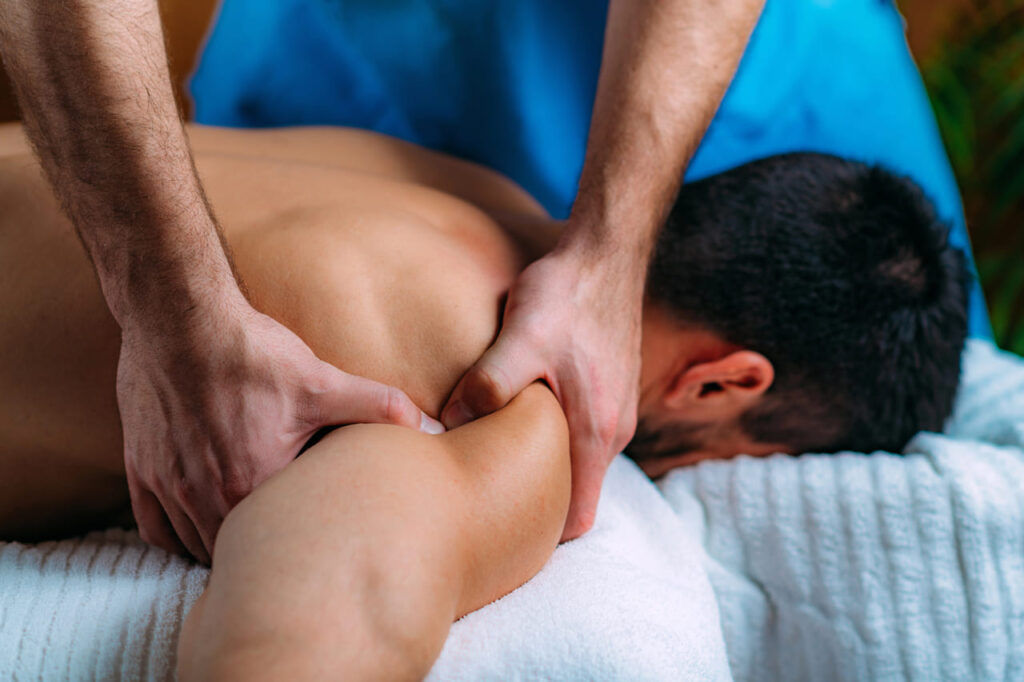
Massage therapy uses manual techniques to manipulate the soft tissue of the body—specifically muscles, fascia, and connective tissue. It supports relaxation, eases muscle tension, and improves circulation. For many, massage is a useful part of managing everyday stress and soreness.
If you’re dealing with tight muscles, tension headaches, or general fatigue from overuse, massage provides localized relief. Techniques used in therapeutic massage may include deep tissue work, myofascial release, or Swedish-style strokes, each selected to reduce muscle stiffness and support circulation.
Massage therapy also has documented benefits for lowering stress hormone levels, which can indirectly support recovery. A review by the NIH notes the calming effects of massage therapy on the nervous system and its usefulness in reducing soft tissue discomfort.
But here’s the key difference—massage therapy does not diagnose or correct the source of pain. It addresses symptoms, not systems. That’s why massage therapy for mobility concerns in Vaughan works best when symptoms are muscular and not related to an underlying structural issue.
Assessing Your Needs: Physiotherapy or Massage?
Choosing between massage and physiotherapy depends on your symptoms, goals, and health history. Ask yourself these questions:
- Do I have a diagnosed injury or condition affecting my movement?
- Is my pain sharp, persistent, or interfering with daily activities?
- Do I feel limited in what I can do physically due to this discomfort?
If the answer to any of those is yes, physiotherapy is likely the better place to start. A physiotherapist can conduct a comprehensive assessment to spot underlying movement issues. Pain that doesn’t improve with basic rest or massage likely has a deeper cause that deserves clinical attention.
If your pain feels more like tightness, general soreness, or tension from activity or stress, massage therapy can be helpful. It may not resolve the cause, but it can support rest, recovery, and short-term relief.
How Massage and Physiotherapy Compare
| Feature | Physiotherapy | Massage Therapy |
| Assessment | Clinical, diagnostic | Non-diagnostic |
| Treatment Focus | Function, movement, long-term recovery | Muscle relaxation, tension relief |
| Modalities | Exercise, manual therapy, education | Manual soft tissue techniques |
| Conditions Treated | Injuries, surgeries, chronic conditions | Soreness, tight muscles, stress |
| Goal | Pain reduction plus functional change | Short-term comfort |
Combining Therapies for Optimal Results
In many cases, the best outcomes come from combining physiotherapy and massage rather than choosing one over the other. While physiotherapy addresses strength, mobility, and core dysfunction, massage supports soft tissue recovery and relaxation. Together, they improve circulation, reduce inflammation, and make exercise therapy more effective.
At Full Function Rehab & Wellness, our team includes both registered physiotherapists and massage therapists who work collaboratively. We often integrate massage into physiotherapy treatment plans to support recovery after surgeries, manage chronic conditions like back pain, or relieve muscle tension that interferes with movement. Learn more in this post on massage therapy for back pain.
Preventative Measures and Lifestyle Adjustments
Recovery is only one part of the story. Preventing pain and preserving mobility are just as important. A skilled physiotherapist can teach you how to move better, stretch safely, and strengthen weak areas before they become injuries.
Preventive strategies include:
- Guided mobility and strengthening exercises
- Postural correction and ergonomic recommendations
- Education on habits that contribute to pain
Massage therapy can complement this by supporting tissue healing after intense workouts, reducing stress, and reinforcing recovery habits. But when it comes to long-term strategies, physiotherapy offers a more complete framework. Learn more about this in our post on relieving pain with physiotherapy.
Take the Next Step
Every person’s body is different. Pain is personal. That’s why we believe in starting with a full assessment.
If you’re unsure about choosing between physiotherapy or massage therapy, schedule a visit with our team. At Full Function Rehab & Wellness, we’ll evaluate your symptoms, clinical history, and goals to design a plan that’s right for you—whether that includes physiotherapy, massage therapy, or a combination of both.
You don’t have to guess your way through recovery. Let’s build a plan that moves you forward.
FAQs
What are the key differences between physiotherapy and massage therapy?
Physiotherapy is a medically guided treatment that focuses on diagnosing and treating movement impairments. It involves assessments, customized exercises, and hands-on therapy aimed at improving function. Massage therapy focuses on reducing muscle tension, stress, and discomfort through soft tissue manipulation. It does not address underlying structural or functional causes of pain.
How do I know if I need physiotherapy or massage therapy for my pain and mobility issues?
If your pain is recurring, sharp, or interfering with movement, physiotherapy is the right starting point. If you’re recovering from injury or surgery, or dealing with balance or joint stability issues, see a physiotherapist. If your symptoms feel more like generalized muscle soreness or stress-related tension, massage therapy may help relieve discomfort.
Can physiotherapy and massage therapy be part of a combined approach to managing pain and mobility?
Yes. These therapies often work best together. Physiotherapy creates long-term change through exercise and movement correction, while massage therapy supports short-term relief and soft tissue balance. A combined plan can improve comfort, speed recovery, and help prevent future issues.